Skip to content
Galardon Argentine Tours
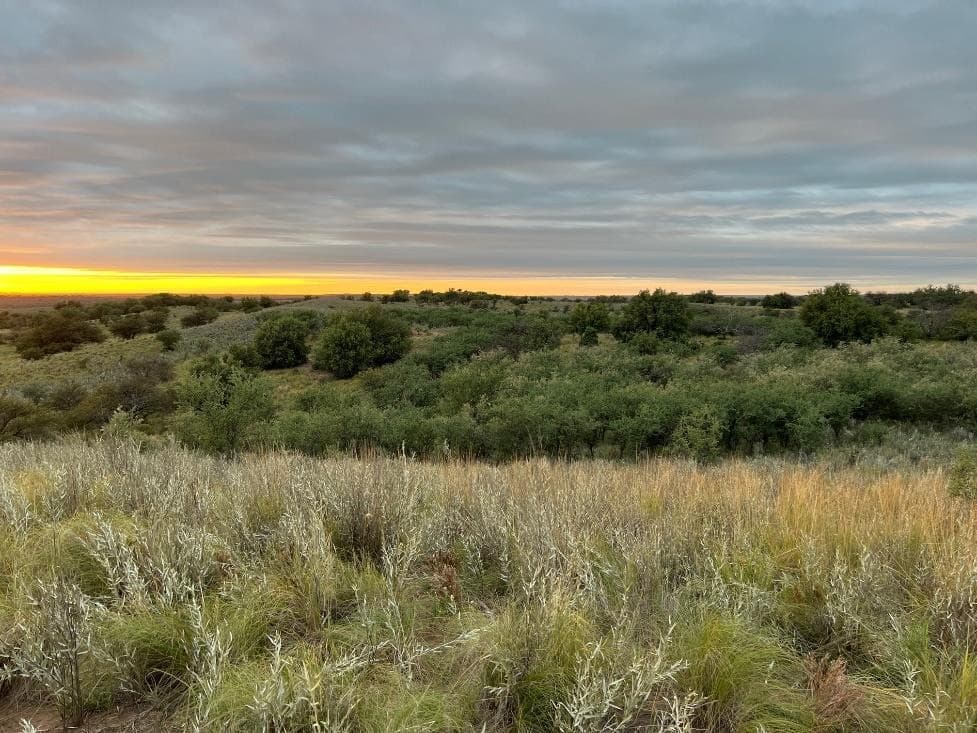
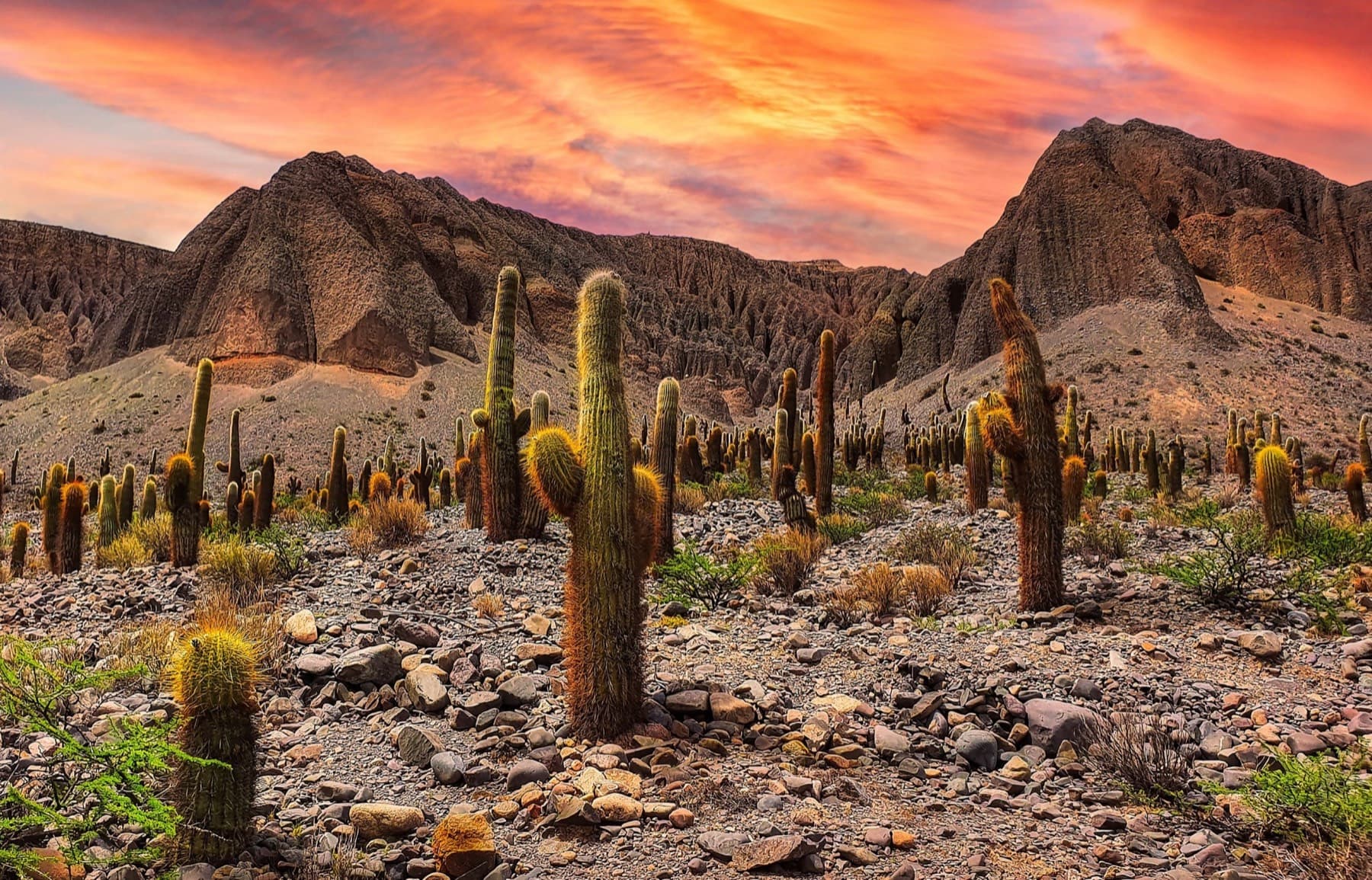
High desert at sunset in northern Argentina

Hunting and fishing

Hunting and fishing in Argentina: red stag, Córdoba dove, golden dorado and Patagonian trout

Argentina is one of the great hunting and fishing countries, and the season runs opposite to ours — their March is our September, so the roar and the high-volume wingshooting land when nothing is open at home.

We do not run these trips. The lodges and outfitters are booked through Hunt Nation and Fish Nation, the specialist agency we work with. Your booking is with them, and they can answer the detail far better than we can. We are paid a referral commission if you book, which costs you nothing — the price is the same as going to them directly.

What we do run is everything else. If you are hunting for six days and somebody has come with you who would rather be in wine country, that is the part we are good at, and we can build it around the same dates.

Red stag and big game hunting in Argentina

Red stag roar from the middle of March into April, and the noise is the point. Argentina also holds blackbuck, axis, fallow, water buffalo and boar, often on the same property.

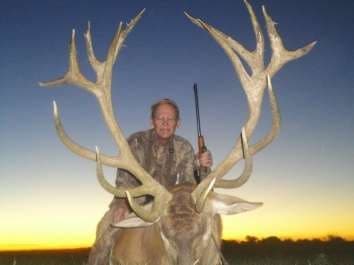
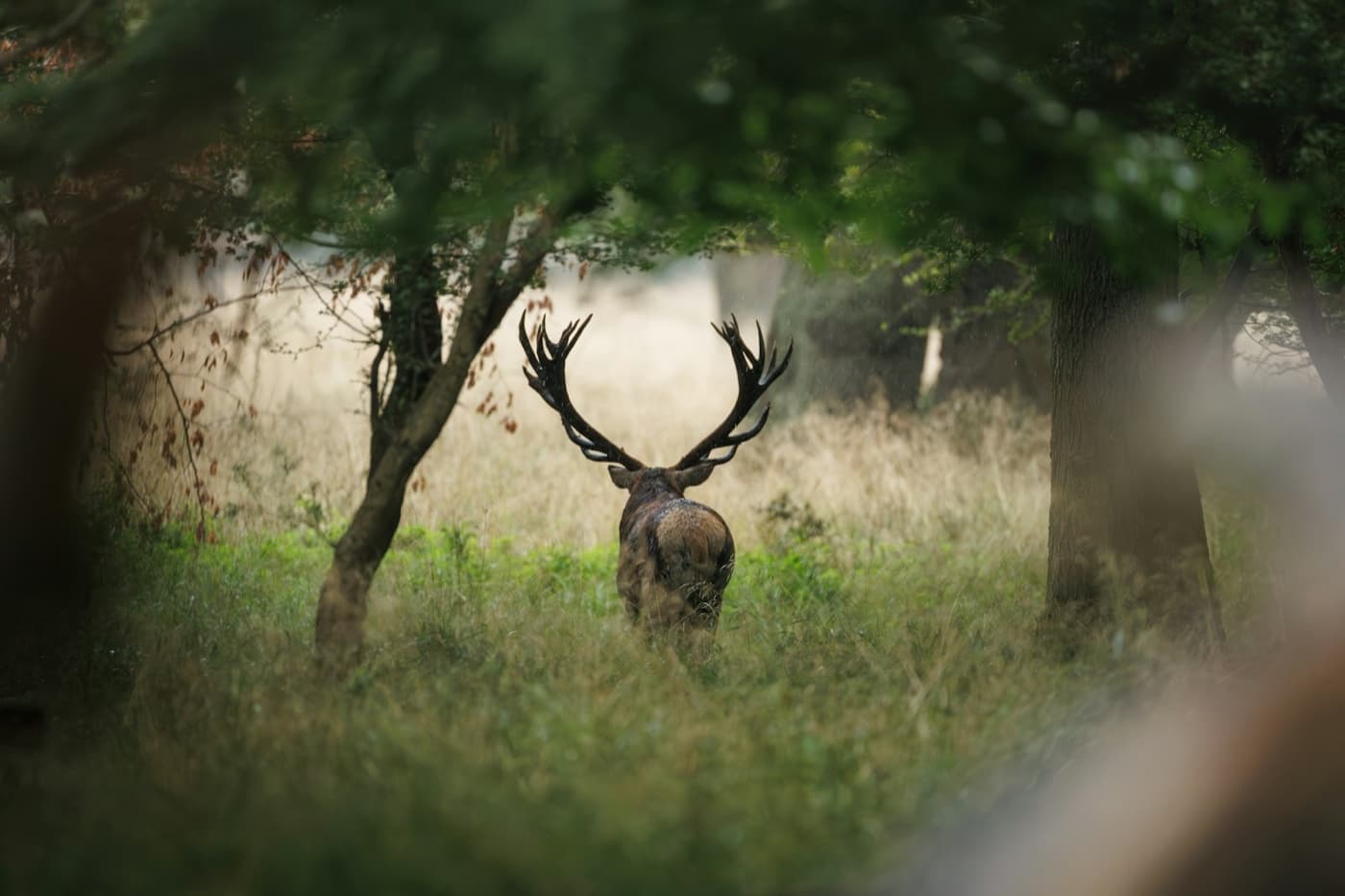
A red stag in bush country, antlers up

La Pampa

La Pampa red stag

Bush hunting in La Pampa with an outfitter they have worked with for twenty years.

Bush hunting for red stag in La Pampa, five hundred miles from Buenos Aires. Our partner has sent clients to this outfitter for twenty years and rates them on service as much as on success, which on stag runs at or near a hundred per cent.

Seasons are inverted from home — their March is our September. March through May is prime, with the roar peaking from the middle of March into April, and hunting stays good into late June.

The same operation runs properties from La Pampa toward Buenos Aires and down into Patagonia, so the ground can be matched to what you want to take.

March to May, roar peaks mid-March to April
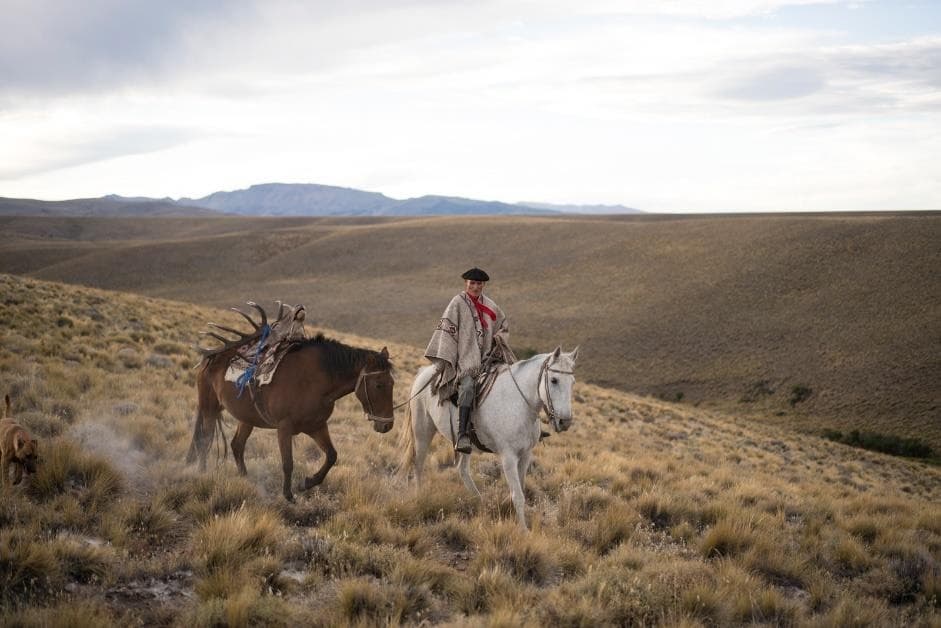
A gaucho riding out across the Patagonian steppe

Neuquén

Patagonia stags

Mountain hunting in Neuquén, on foot, by 4x4 and on horseback.

Neuquén is the heart of Argentina’s mountain hunting — valleys and creeks in high desert and forest, eleven hundred miles south of Buenos Aires. Red deer were introduced here from Europe in 1911 and spread through the cordillera.

Hunting is done from 4x4 and on horseback, and it is more physical than the bush hunting further north. It is also the most beautiful country of any of these.

It sits in the same part of Patagonia as Bariloche, so it pairs naturally with a journey that already goes to the lakes.

March to May

A red stag taken at last light

Private ranch, 37,000 acres

Red stag, blackbuck and water buffalo

Thirty-seven thousand acres, two thirds bush, no cattle on it.

A single ranch of roughly thirty-seven thousand acres, about two thirds of it bush with no cattle allowed on it. Stag density is high enough that from mid-March into mid-April you can move from one roaring animal to the next.

Trophy quality has climbed year on year. Clients now routinely pass twelve and fourteen point stags waiting for something between eighteen and twenty-two.

Blackbuck, water buffalo and boar are on the same ground if you want more than one species.

March to April for the roar

Open grassland at sunset in La Pampa

La Pampa

Red stag, blackbuck, axis and fallow

Low pressure, few spots a season, and big game and birds on the same trip.

Red stag, blackbuck, axis, fallow, mouflon, boar and water buffalo, on ground that has been kept under low hunting pressure since 2000 and is released as only a handful of spots each season.

The draw here is combining it with high-volume wingshooting — big game in the middle of the day, then a few hundred doves morning and evening, without moving lodges.

March and April, so it does not mean waiting for autumn at home.

March and April

Córdoba dove hunting and high-volume wingshooting

Argentina is the reason wingshooters own more than one shotgun. No closed season on dove, no bag limit, and volumes that sound like exaggeration until you are standing in it.

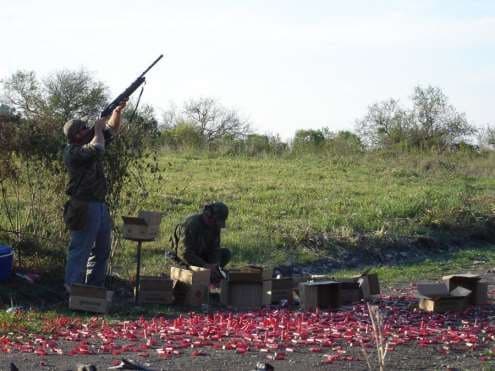
A shooter working a dove field in Córdoba

Córdoba

Córdoba dove and pigeon

The classic. No closed season, no limit, and a bird boy loading for you all day.

Córdoba is the destination that made Argentine wingshooting famous, and it earns it. There is no closed season and no bag limit, and a shooter working steadily will get through a thousand to fifteen hundred rounds in a day. Birds move out of the roosts at first light toward the feeding fields, and the shooting is done where they pass.

Each hunter has a bird boy loading and assisting through the day. You break at midday for lunch in the country — beef and a bottle of something local, not a sandwich in a truck — and go back out until late afternoon.

The lodge is small, six rooms, with a pool for the end of the day. There is a nine-hole course and tennis five minutes away, which matters if somebody has come along who does not shoot.

Year round

Wetland and grassland — the country these birds feed over

Córdoba

Doves, ducks, perdiz and pigeon

A mixed bag in the cooler months, straight high-volume dove the rest of the year.

This one runs two ways. From May to August it is a mixed bag — duck, perdiz and pigeon alongside the dove. From September to April it is high-volume dove shooting on its own.

In the warmer months it can be combined with golden dorado, which is the version to ask about if you would rather not do the same thing six days running.

Mixed bag May to August · high-volume dove September to April

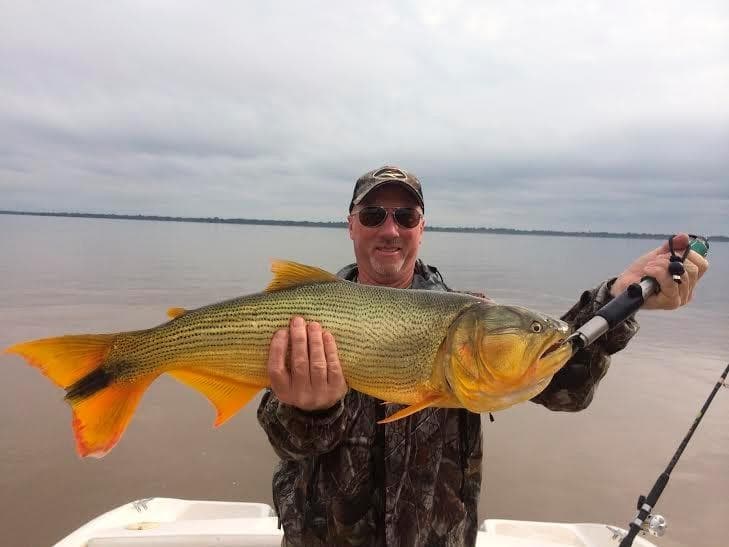
A golden dorado brought to the boat in Entre Ríos

Entre Ríos

Doves and dorado, cast and blast

Two hours from Buenos Aires. Shoot in the morning, fish for dorado in the afternoon, no extra flight.

A dove roost in Entre Ríos that the outfitter rates above Córdoba for sheer density. What makes it unusual is the location — two hours from downtown Buenos Aires and under three from the airport, so there is no internal flight to add on.

Dove is year round. Duck and partridge come in from May to August, and pigeon from February to May when the crops are up. Golden dorado is on the same water, which is where the cast-and-blast name comes from.

Because it sits so close to the capital, this is the one that folds most easily into a journey that already ends in Buenos Aires.

Dove year round · duck and partridge May to August · pigeon February to May

Golden dorado and Patagonian trout fishing

Golden dorado within an hour of Buenos Aires, wild trout in Patagonian spring creeks, and rainbows in Lake Strobel that are large enough to need explaining.

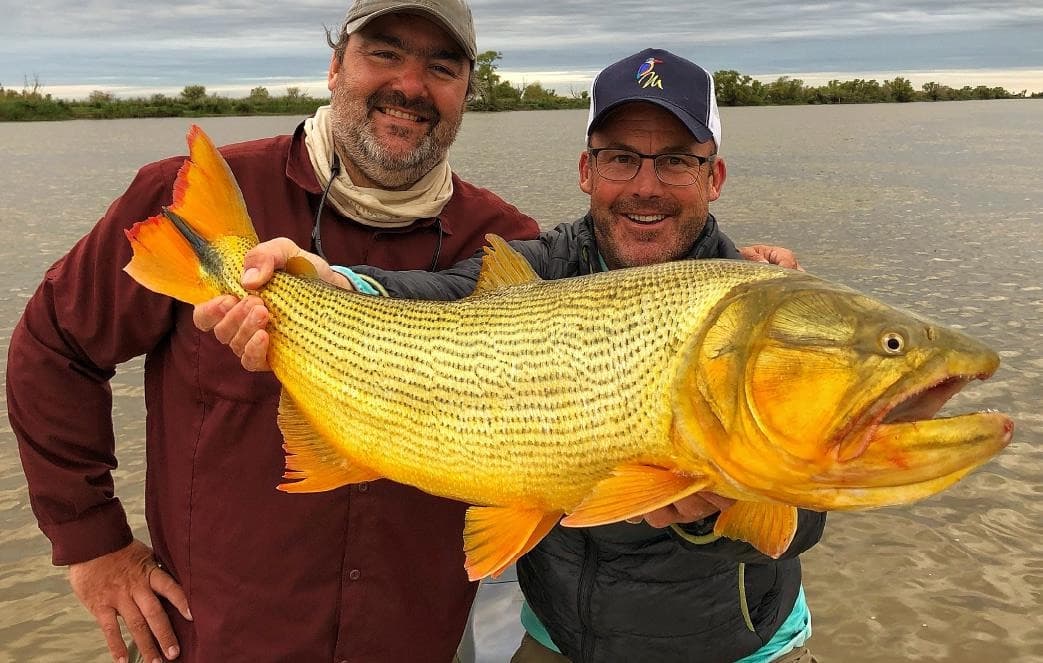
Two anglers with a golden dorado near Buenos Aires

Río de la Plata and the Paraná Delta

Golden dorado near Buenos Aires

Under an hour from the city. Lodge-based, or live aboard a mothership in the delta.

The Paraná Delta and the Río de la Plata break into a maze of channels and backwaters that starts less than an hour from Buenos Aires. Golden dorado are violent takers — fast, airborne, and hard on tackle.

You can fish it from a lodge or from a mothership that moves with the fish through the season and puts you on the water that is holding them.

Of everything here this is the easiest to add to a journey, because it is on the doorstep of a city you are already spending days in.

Best in the warmer months

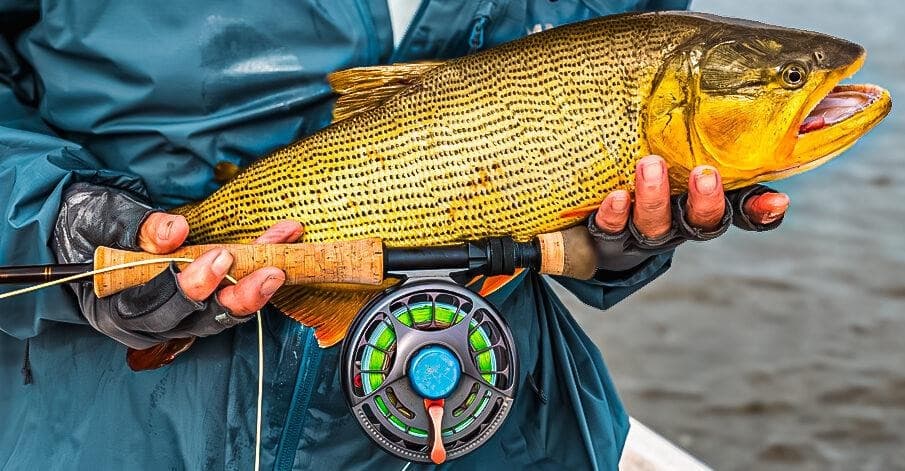
A golden dorado held beside a fly reel

Paraná River

Golden dorado on the Paraná

The river the species is built around, with rocky ledges and deep channels.

The Paraná is one of the great dorado rivers on the continent — rocky outcrops, submerged ledges, shifting sandbars and deep channels, which is exactly the structure the fish hunt.

The lodge runs all year, with the peak from November through March.

Year round, peak November to March

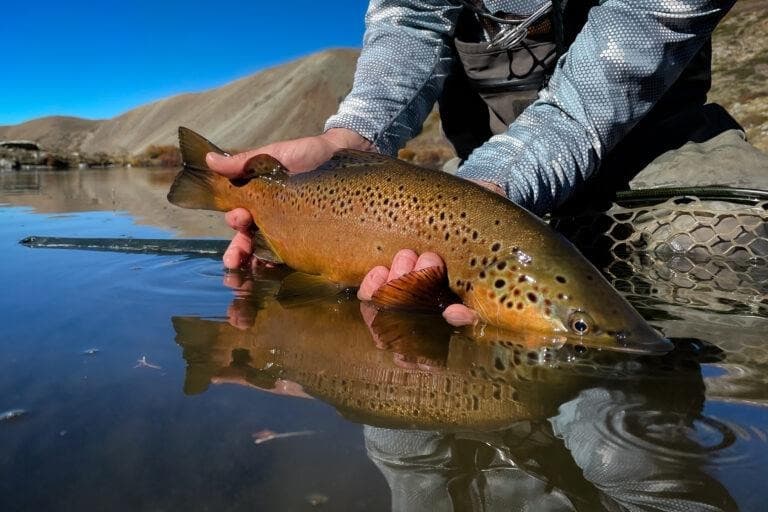
A wild brown trout released in a Patagonian spring creek

Cordillera del Viento, Neuquén

Spring creek trout in Northern Patagonia

A century-old estancia with three private rivers and almost nobody on them.

A working family estancia of more than fifteen thousand acres in the Cordillera del Viento, with access to three private rivers, spring creeks and freestone streams that see very little pressure.

Wild rainbow, brown and brook trout in cold clear water — technical dry fly, nymphing and streamer work depending on the day. The lodge is small and unhurried.

This is northern Patagonia, the same region as Bariloche, so it sits well against the Patagonian leg of a journey.

Southern summer

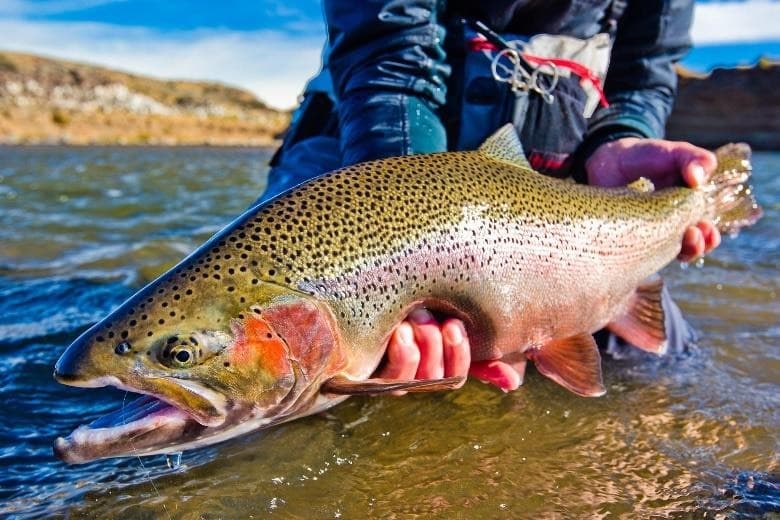
A trophy rainbow released into Lake Strobel

Lake Strobel, Santa Cruz

Trophy rainbows on Jurassic Lake

Lake Strobel, where the rainbows are the size people do not believe.

Lake Strobel is called Jurassic Lake for the size its rainbows reach — superior genetics, fast growth and a lake full of food. Stillwater fishing, stalking fish in clear water.

There are lodges on the north and south sides. The northern one controls the whole of the Barrancoso River, the only tributary flowing directly into the lake, and from October to December and again in March and April the river stacks up with fish.

October to December and March to April on the river

Ask about a trip

We will put you straight through

Tell us which trip and roughly when. Your details go to the agency that books it and they contact you directly — no relay, no telephone game, and nothing to pay us.

There are no prices on this page on purpose. They move with the season, the species and how many of you are going, and a real answer is worth more than a number that turns out to be wrong.

If someone is travelling with you who would rather not hunt, say so in the message. That half we plan ourselves.

Common questions

When is the red stag roar in Argentina?
The roar peaks from the middle of March into April. March through May is prime and hunting stays good into late June. Seasons are inverted from the northern hemisphere — their March is our September — so it falls when nothing is open at home.
How many shells will I shoot in a day of dove hunting in Córdoba?
A shooter working steadily will get through a thousand to fifteen hundred rounds in a day. There is no closed season on dove in Argentina and no bag limit, and each hunter has a bird boy loading and assisting throughout.
Can you fish for golden dorado near Buenos Aires?
Yes. The Paraná Delta and the Río de la Plata break into a maze of channels and backwaters that starts less than an hour from the city. It is fished from a lodge, or from a mothership that moves with the fish through the season.
Do I need an internal flight for the cast and blast trip?
No. The dove roost in Entre Ríos is two hours from downtown Buenos Aires and under three hours from the airport, so there is no extra flight to add on. Golden dorado is on the same water.
What is there to do for someone travelling with me who does not hunt?
This is the half we run ourselves. Mendoza, the Uco Valley and Buenos Aires are a short flight away, and we plan those days independently — private tastings, guided city days and free time — with the party meeting up at the end. Say so in your enquiry and we will quote both halves together.
Who do I actually book the hunting or fishing with?
With Hunt Nation and Fish Nation, the specialist agency that books these lodges and outfitters. Galardon introduces you and is paid a referral commission if you book, which costs you nothing — the price is the same as approaching them directly. Your contract for the trip is with them, not with us.

Photographs supplied by the booking agency and used with their permission.

And for everyone else on the trip

Six days in a hunting lodge is not everybody’s holiday. Mendoza, the Uco Valley and Buenos Aires are two hours and a short flight away, and we can run those days properly while you are out — meeting up at the end.

See the journeys